

|
As a fan of an English football team, Gary Speed was always someone who played for other teams. In our halcyon days in the top division, he played against my team for Leeds, Everton and Newcastle, and in October 2010, a mere thirteen months ago, he stood on the sidelline as Sheffield United manager as our respective teams did battle in a Championship match. Both literally, emotionally and figuratively, this distance is often the nearest that any fan truly gets to a player or a manager. They are rich, they are successful, and they are all happy, right? Even if professional defeat occurs, or as a player they make a game changing error, they forget quickly and move onto the next game, because that’s what they are programmed to do, right?
Sadly, we all know the answer.
Reports have stated that Gary Speed hanged himself. It is shocking, surprising, and most of all, utterly devastating to his family. Aside from being a tragedy that has left an entire footballing community completely numb, it may change the way our society looks, talks about and acts upon depression, the primary catalyst in suicide.
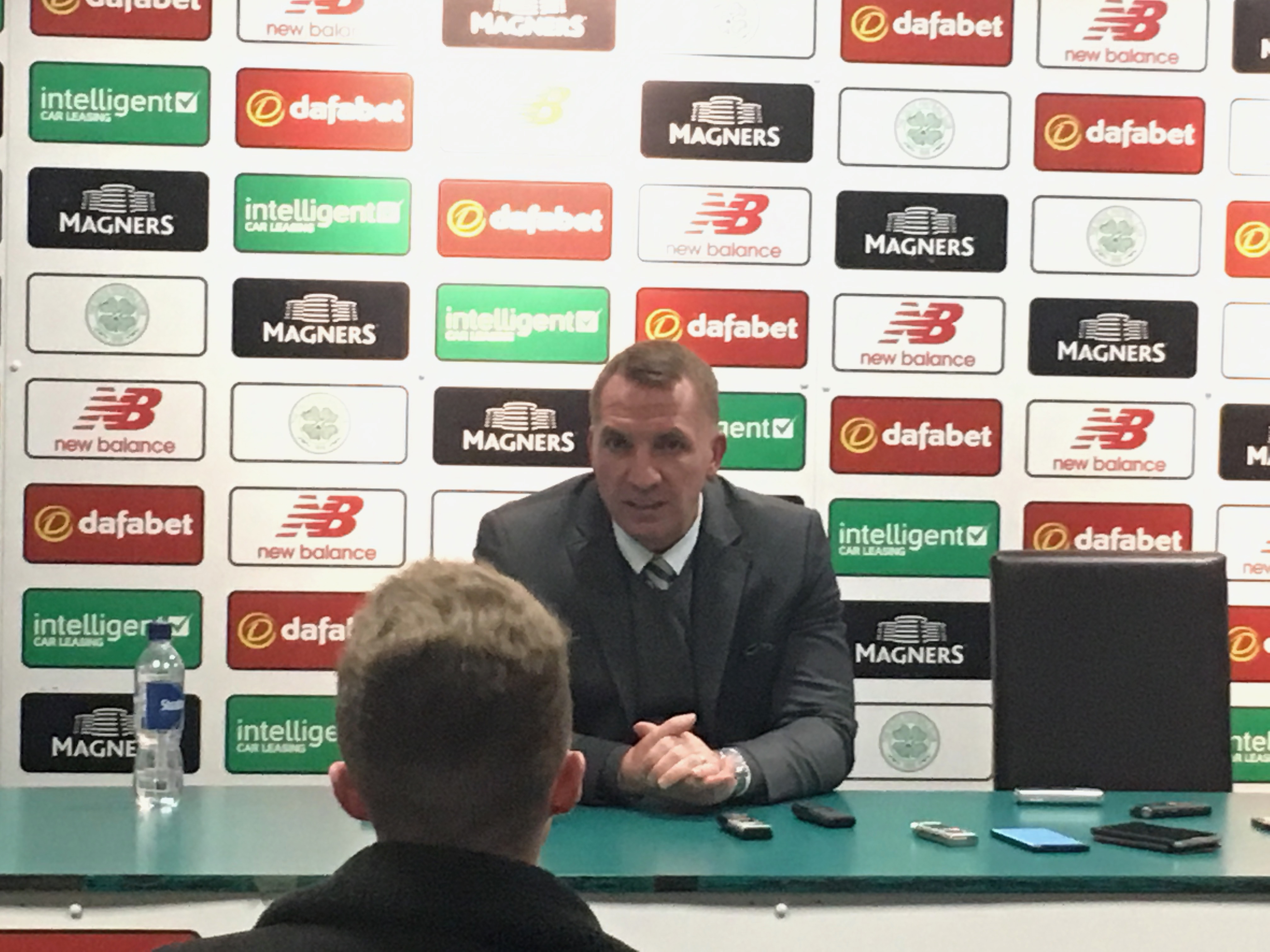
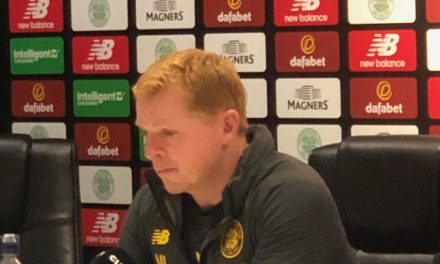
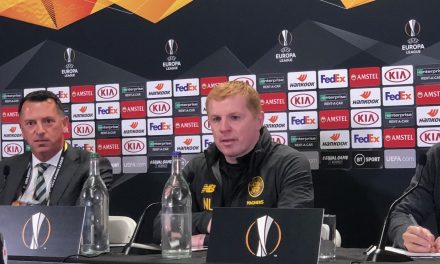
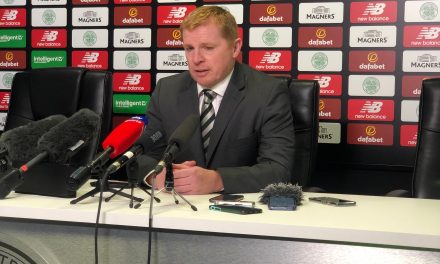
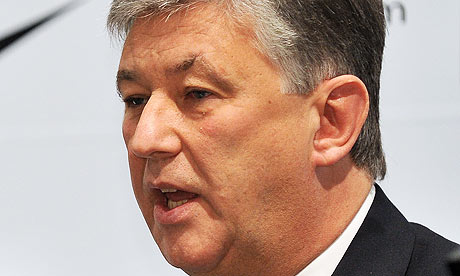
In a 2007 interview with the Daily Mail, Neil Lennon spoke about his own battle with depression, an illness that does not discriminate in terms of who it affects.
"At the minute I am just in recovery. I have been going through it for years.
"You just never know when it will reoccur again. It is just maintaining that quality of life.
"There is no real time pattern for it.
"I have gone a couple of years without it and it comes at various times in the year.
"At the minute everything is going okay, touch wood."
Referring to his fiery on-pitch persona, Lennon added: "Most people up here would have thought I'd be the last person to get it.
"It is usually the strongest-willed people. You would be surprised who has got it.
"I could give you a list of celebrities and famous people who have got it - it would knock you back a wee bit.
The last part is deeply profound. There is a misplaced view that footballers, especially wealthy and successful ones such as Lennon and Speed, have a wonderful life. Depression has been labelled as the curse of the strong, and you certainly have to have a strong mentality to overcome one of society’s shameful taboos – being able to talk about an illness that affects one in four people. Neil Lennon said that speaking publicly about his depression was worse than playing in a Glasgow derby. There is still a generalisation that depression highlights weakness, and this may alter how you are perceived in sport. Cricketer Marcus Trescothick now speaks openly about depression, but used to label it a ‘stress related illness’ through fear of ridicule and perceived weakness.
The fact that two football matches, especially the Swansea v Aston Villa game in which four current welsh internationals played, was allowed to go ahead, sums up the stigma attached to depression. In football, and to a greater extent, wider society, we are encouraged to ‘get on with things’ as quickly as possible. On the radio earlier, Ian Dowie stated that Swansea v Villa should go ahead because Gary Speed loved football. This totally misses the point. If we as a society cannot take stock of a successful national team manager, at 42 years of age, committing suicide, then we have our priorities all wrong. If Neil Lennon is correct, and that we would be knocked back a bit at the names of people who are suffering from this physical and psychological illness, then we need to speak more openly about it. This is not to satisfy idle gossip, but to deeply explore the causes, consequences, and management of depression. A broken leg is obvious, a broken mind is not, but they are both worthy of treatment, even if one can never be fully cured.
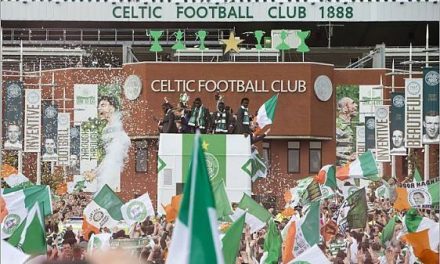
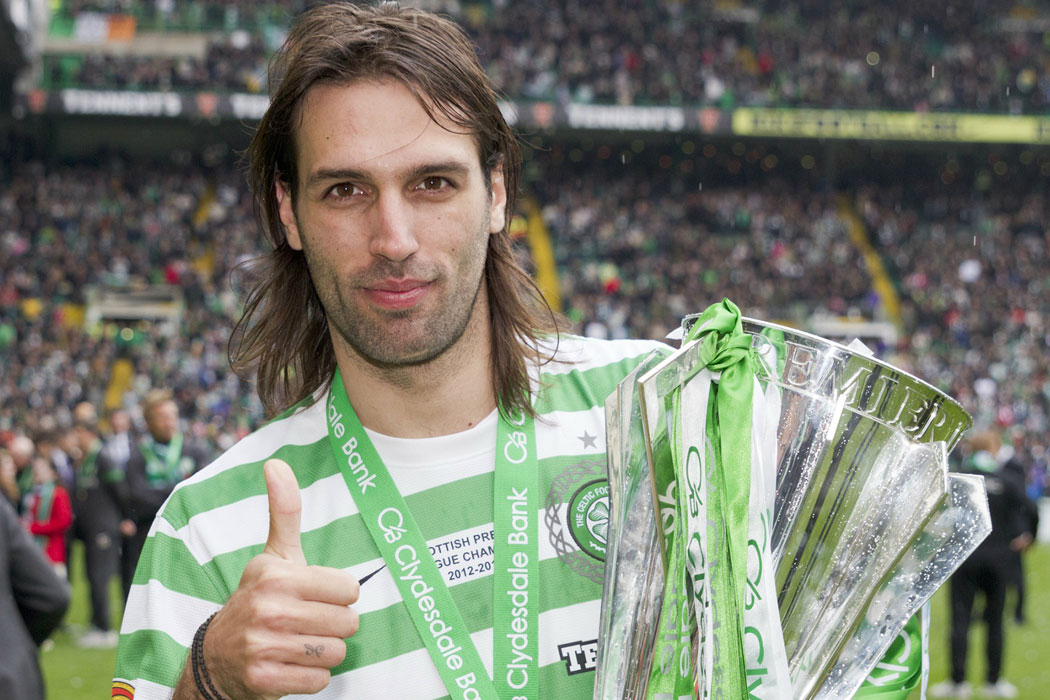
As a recent Guardian article pointed out, there was a recent case of a German player who wanted to kill himself. As soon as his club found out, they arranged for his private treatment, kept in regular contact with doctors, and continued to pay his full salary. This would not have happened but for the equally tragic suicide of national team goalkeeper Robert Enke in November 2009. If any fragment of positivity can come out of Gary Speed’s suicide, is that people from all walks of life can feel encouraged to talk to someone. Neil Lennon is under intense pressure as Celtic manager, but he is just as susceptible to this illness as a supporter who seemingly has a comfortable life.
In 2008 my place of work was deeply traumatised by the suicide of a twelve year old girl, who has also found hanged. The subsequent bereavement group I ran was harrowing, with students of the same age unable grasp what had happened. After six months, with students finally beginning to open up and talk more freely, the school pulled the plug on the group, saying that six months is too long to grieve. I was astounded by the lack of understanding and compassion. Relating this back to depression, just because Neil Lennon, for example has shown no signs of depression for a considerable period of time, it does not mean that the illness is fully cured. Nobody should say simplistic statements such as ‘you have been fine for months, why are you getting down now?’ Depression is far deeper than merely feeling sad, and as a society our response to a tragedy that makes us stand up and look at our own attitudes will be the greatest challenge.
For Gary Speed, there may be peace at last. For football, there needs to be constant dialogue about mental health. At present, thoughts will be filled with sadness, but tomorrow is the dawning of a new beginning. Sadly for Gary Speed, he can only watch from the great beyond. |
Comments
Not to mention I would have been very proud to have seen Gary wear the Hoops.
A history of depression can be a massive factor in some suicides but it is by no means the only reason why people commit suicide and unless I am very much mistaken there has been no information released regarding Gary Speed suffering from depression or ever expressing a desire to kill himself.
There could be many other reasons involved in a person coming to a point where they want to kill themselves, a cataclysmic life event which we don't know about, threatened revelations in the press about someone's life, an argument with someone important: myriad reasons around which it is pointless to even speculate without some further information. The only thing we do know about Gary Speed suicide is that it happened, he eventually found himself in the position where took the (temporarily insane?) decision to kill himself. This need not necessarily have involved any depression despite what some people may think.
Do we as the public deserve to know the gory details about Gary Speed's untimely demise? No we don't, his family deserve the right to grieve without unfounded speculation linking Gary Speed with people who suffer depression when we have absolutely no idea whether he shared that illness. Until we know a bit more about the nature of Gary Speed's mental state we should leave the pseudopsychotherapy behind and simply commend his exemplary behaviour as a footballer and manager, show support for his young family and express regret at the life of a national hero cut tragically short.
The only thing we know of that links Neil Lennon to Gary Speed is the English Premier League, not necessarily depression and to make that unfounded leap is to jump to conclusions which contribute little to the debate surrounding depression nor to the growing and heartwarming tributes to Gary Speed.
Rightly or wrongly, the national media are speculating. This is not the outrageous and disrepectful tabloid journalism, but a genuine soul searching as to why this happened. The human condition strives for answers, and whilst it may be revealed that there was a cataclysmic event that caused him to commit suicide, the usual pattern for suicide is a period of depression. Somebody could give the impression that life is the widespread notion of 'normality', without ever revealling the truth. Whilst every case is tragic and different, most people who commit suicide have already decided to do so, meaning there is a greater sense of peace. It is rare that one event, no matter how major, results in a suicide. This is primarily why people are assuming (and this may turn out to inaccurate) that depression was the overriding factor.
If Gary Speed's death is not a result of depression, the national media will shift to what did was the prevailing reason. The widespread and very serious issue of depression in football will disappear from public consciousness. Whilst a man's death should never merely be used as a catalyst for debate, the sheer perplexing nature of the issue means that people will continue to search for the deeper and spiritual factors.
The human psyche is a respectful one, but amidst the tributes from across the footballing world, questions do need to be asked. Even if you completely detach Gary Speed from the illness that is depression, Lennon, Collymore and Enke are three high profile names that, through a hierarchy of tragedy, ensure that the issue should never be ignored and never be forgotten.
Are they misguided to do so, or is it right to be presumptious if in turn it helps others? It's a tough one, but this is what has occurred over the last few days.
RSS feed for comments to this post.