

Articles
Latest
Daniel Kelly. Future captain
Daniel Kelly has all but burst onto the scene for Celtic over the past few weeks. After only...




Multimedia
Latest
I Should Be so Lucky
Once again the lucky bhoys triumphed and Ange won his 3rd out of 4 domestic trophies he has competed for and Bullshit Bingo Beale went home with his tail between his legs.

Podcasts





























Podcasts
Latest
I Should Be so Lucky
Once again the lucky bhoys triumphed and Ange won his 3rd out of 4 domestic trophies he has competed for and Bullshit Bingo Beale went home with his tail between his legs.
Video
LatestComing Soon on The Game – Barca 125
The next episode in our podcast series The Game features one of the most iconic matches this...


Images
Latest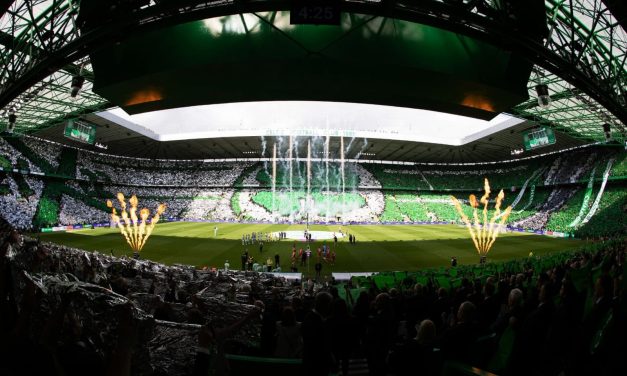
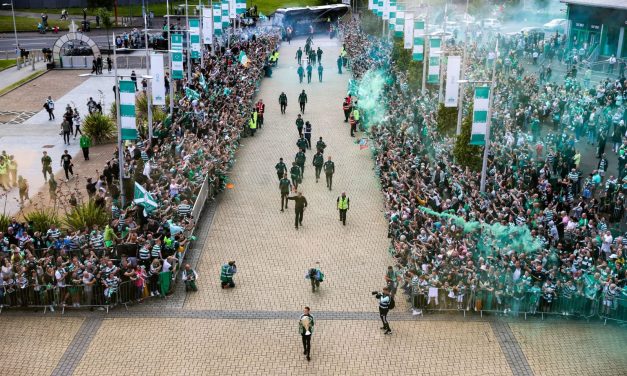
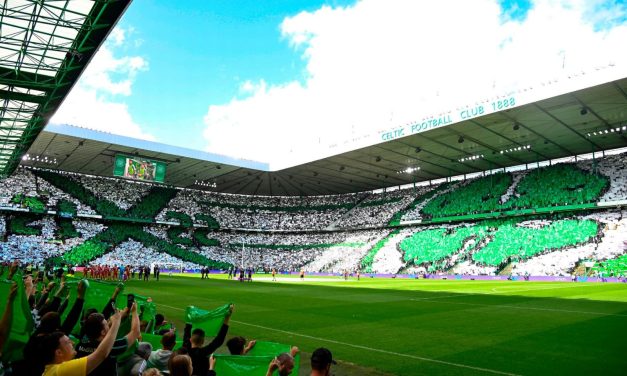
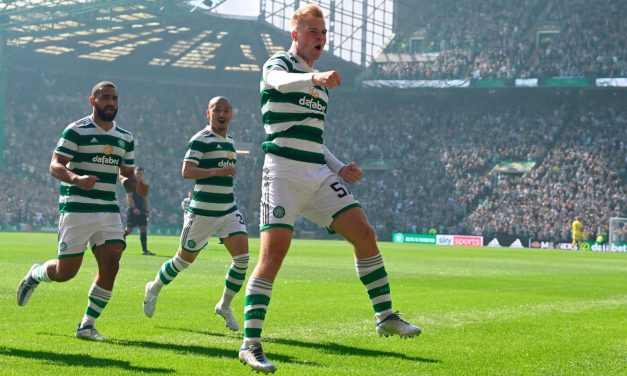
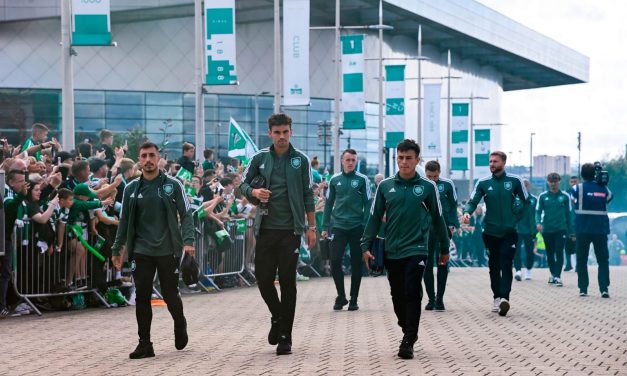
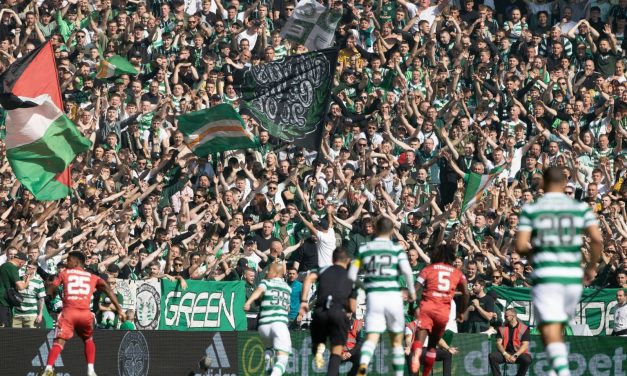
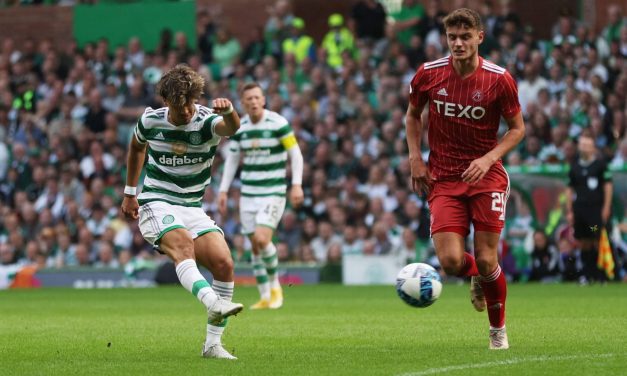
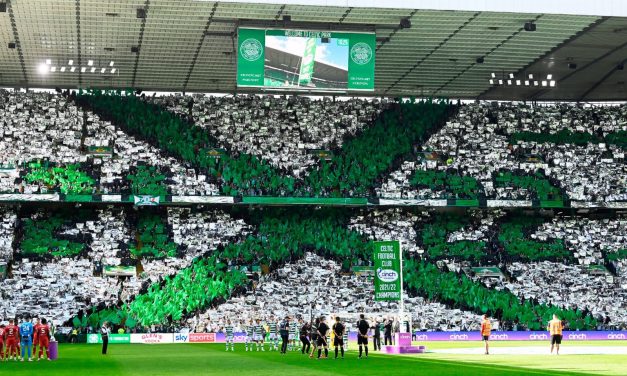
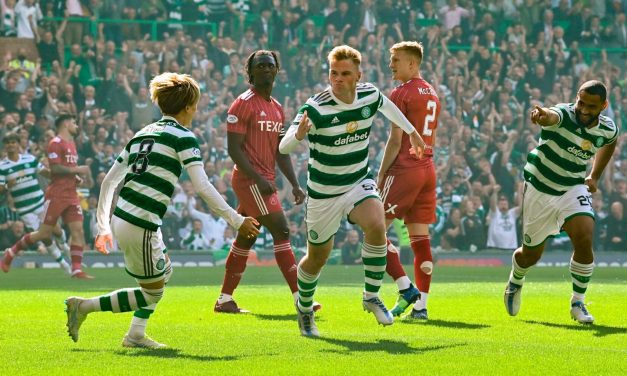
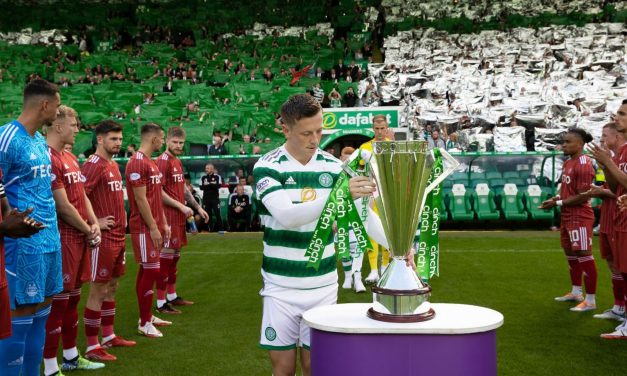
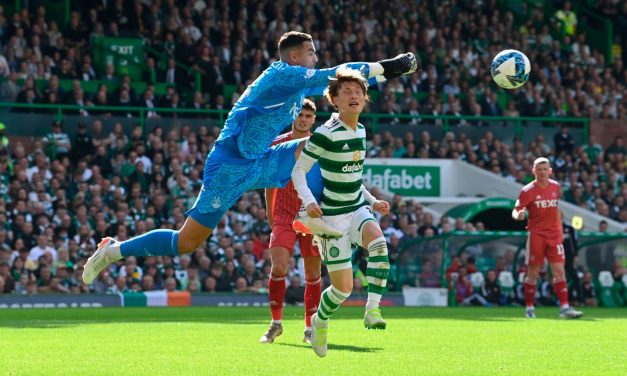
Season opener 2022-23
Last Sunday (31st July) saw the flag day season opener of the 2022-23 campaign. Here’s...

- Season 2021-2022
- Season 2020-2021
- Season 2019-2020
- Season 2018-2019
CU REVIEW OF THE SEASON
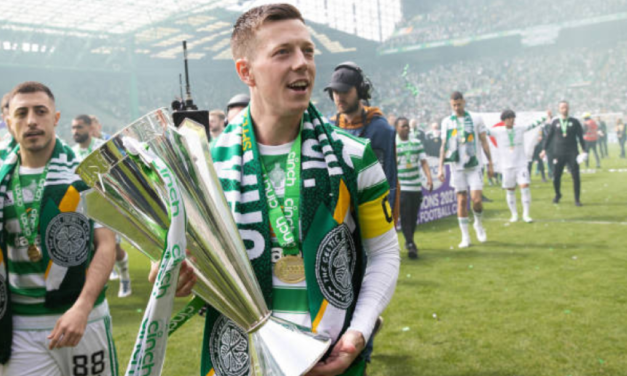
St Anthony, Harry Brady, Lachie Mor, and Eddie Pearson look back on a successful season for Celtic...

The Millionaire
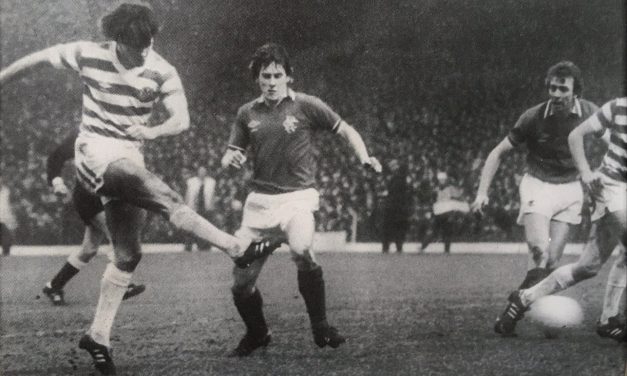
Today (21 February) marks the 41st anniversary of one of the most remarkable Old Firm (as we...


CELTIC IN THE BLACK AND WHITE ERA – BOOK REVIEW
Review by Joe Bloggs (Celtic Wiki) There’s so many exceptional Celtic books out there from...

The 2018-19 CU Season Review
That was the season that was and what a season, European football past Christmas, a manager going...
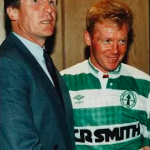

- Season 2017-2018
- Season 2016-2017
- Season 2015-2016
- Season 2013-2014
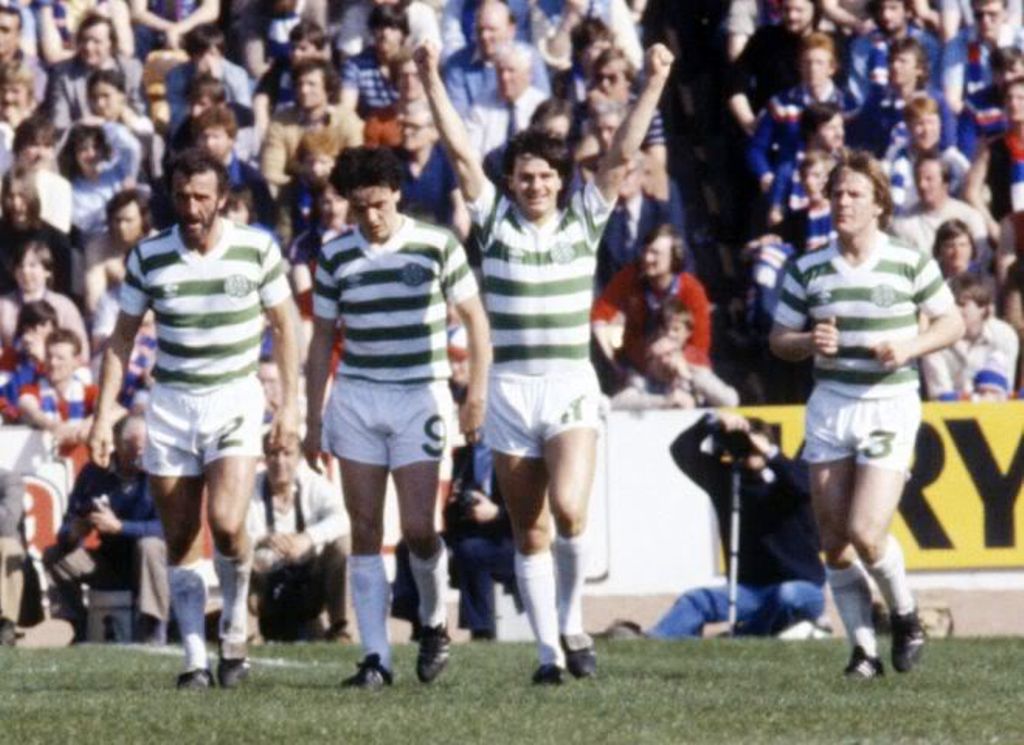
MEMORIES OF EASTER 1981
The year of 1981 did not start well for me. In January I was rushed into hospital for an emergency...
THE ROSENBORG FILES
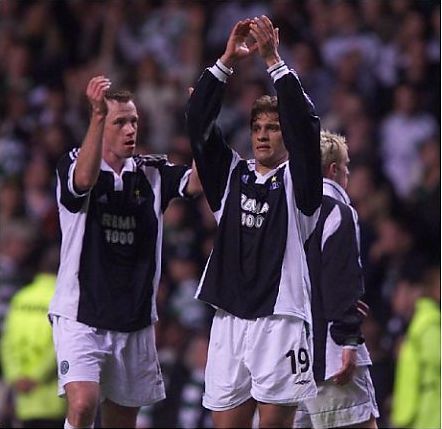
On Wednesday Celtic take on Rosenborg of Trondheim in a first leg Champions League qualifier at...


DEBUT DAYS – JOE MILLER
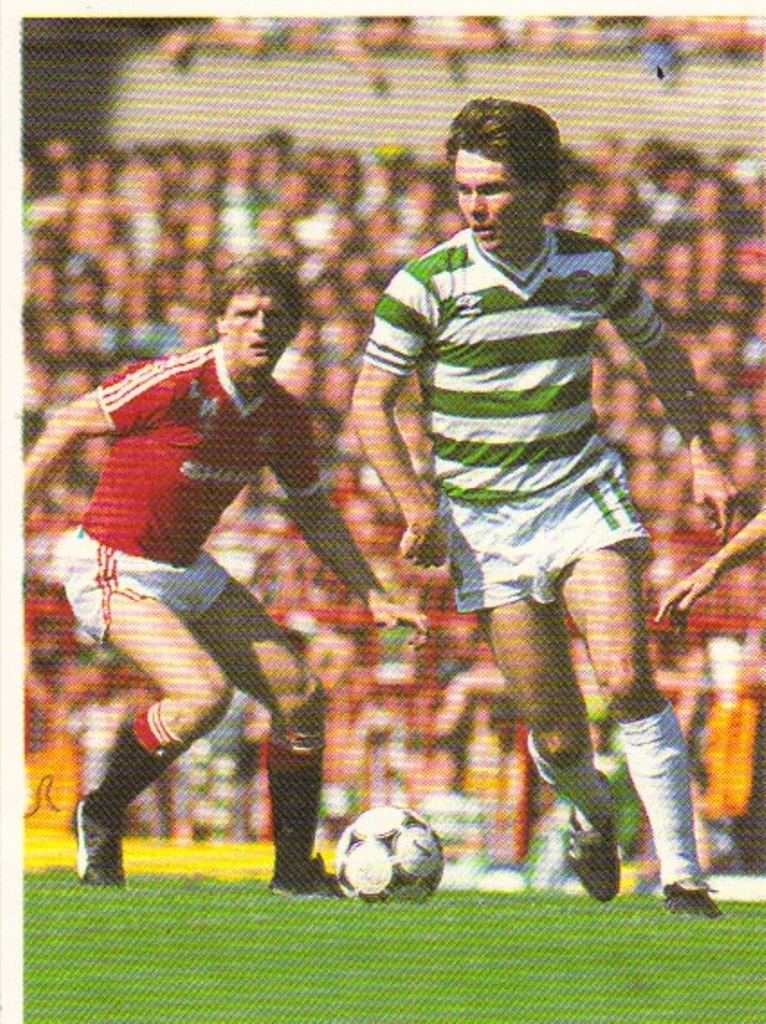
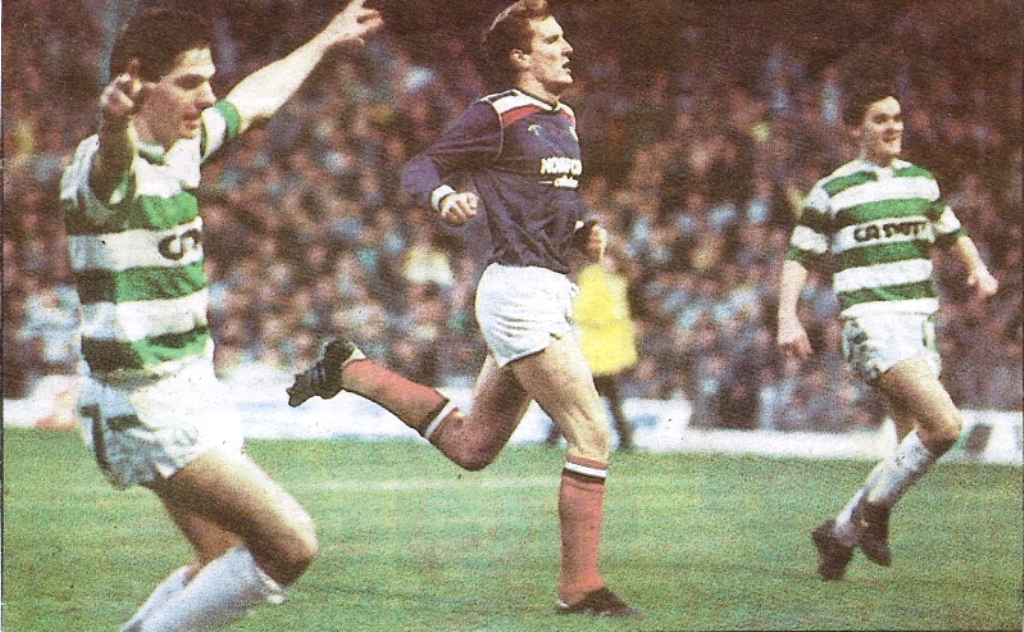
14 November 1987 Celtic 5-0 Dundee On the afternoon of Friday 13th of November, Celtic announced...
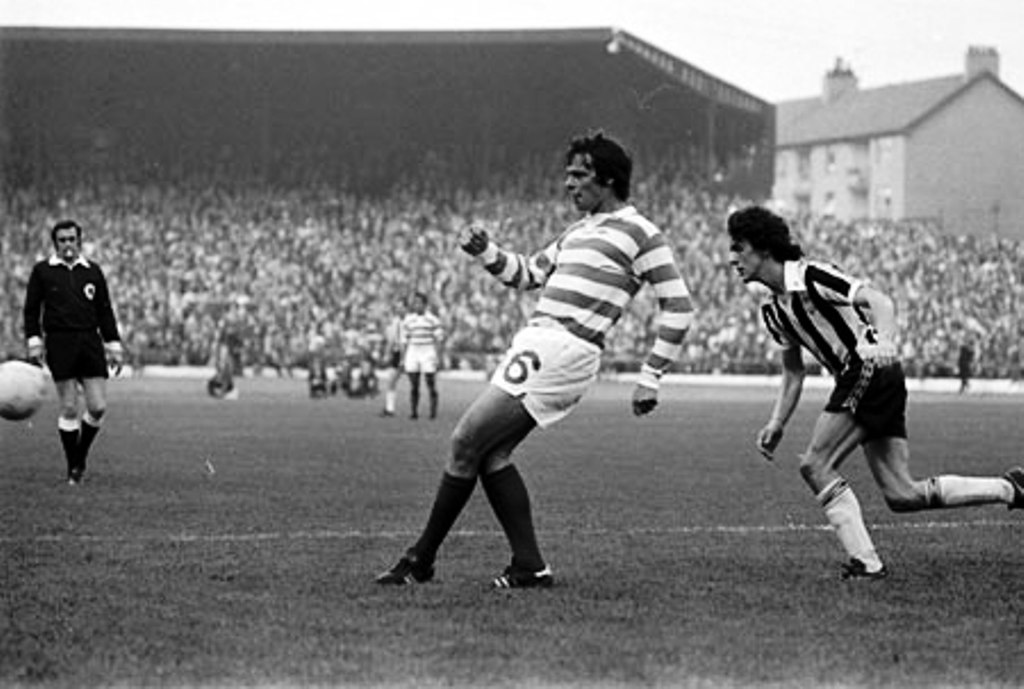
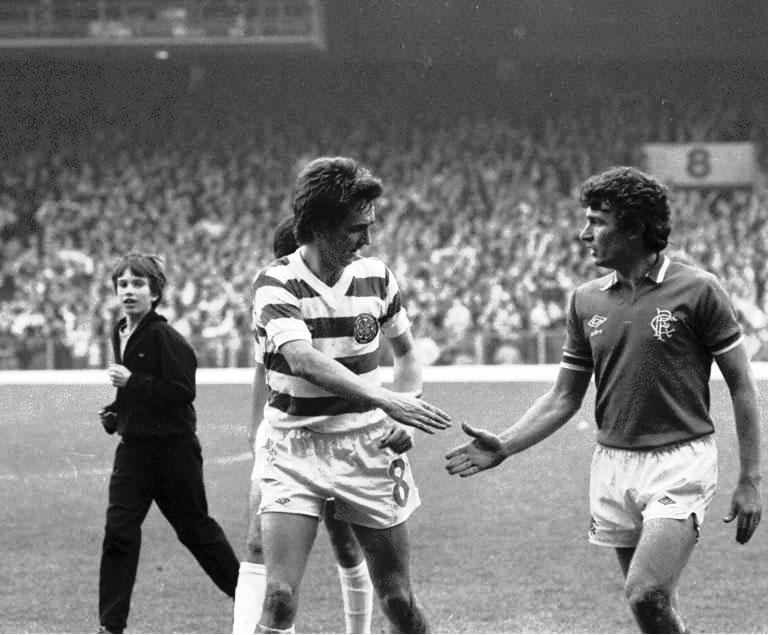
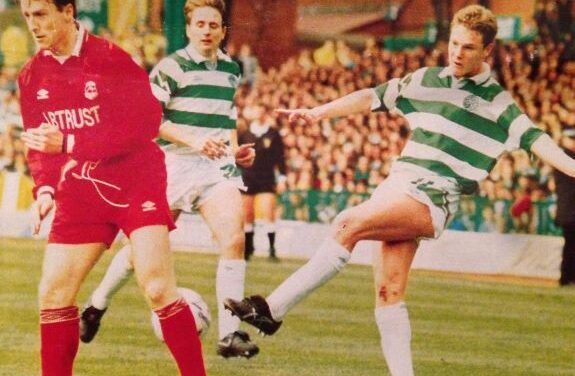
STUART GRAY: AN APPRECIATION
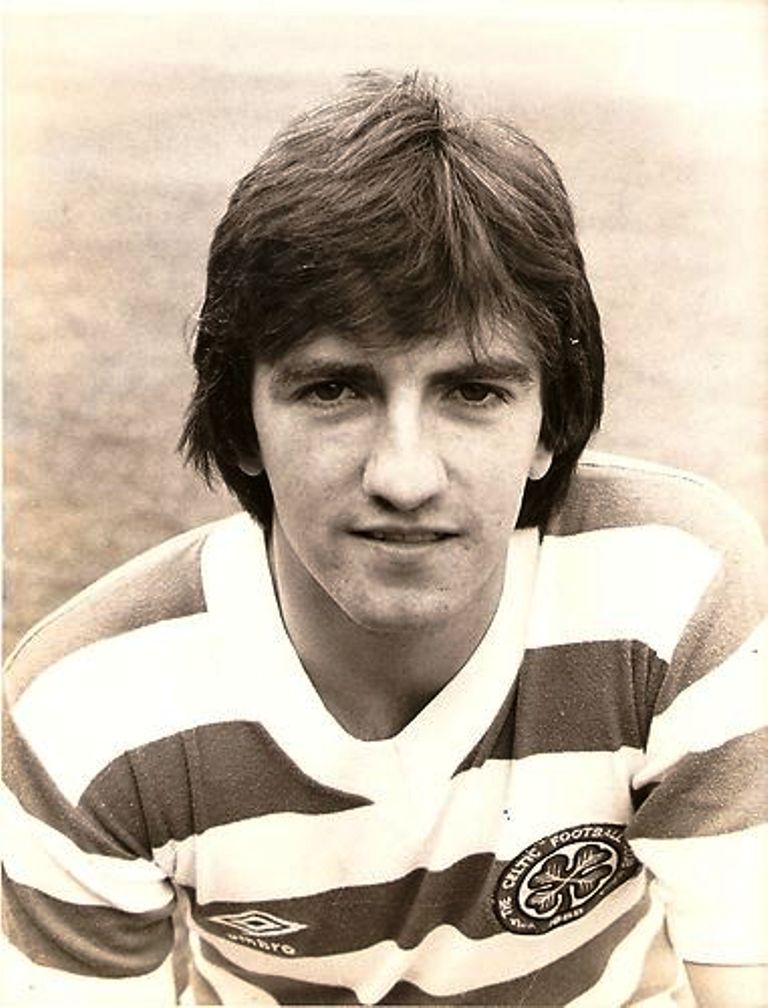
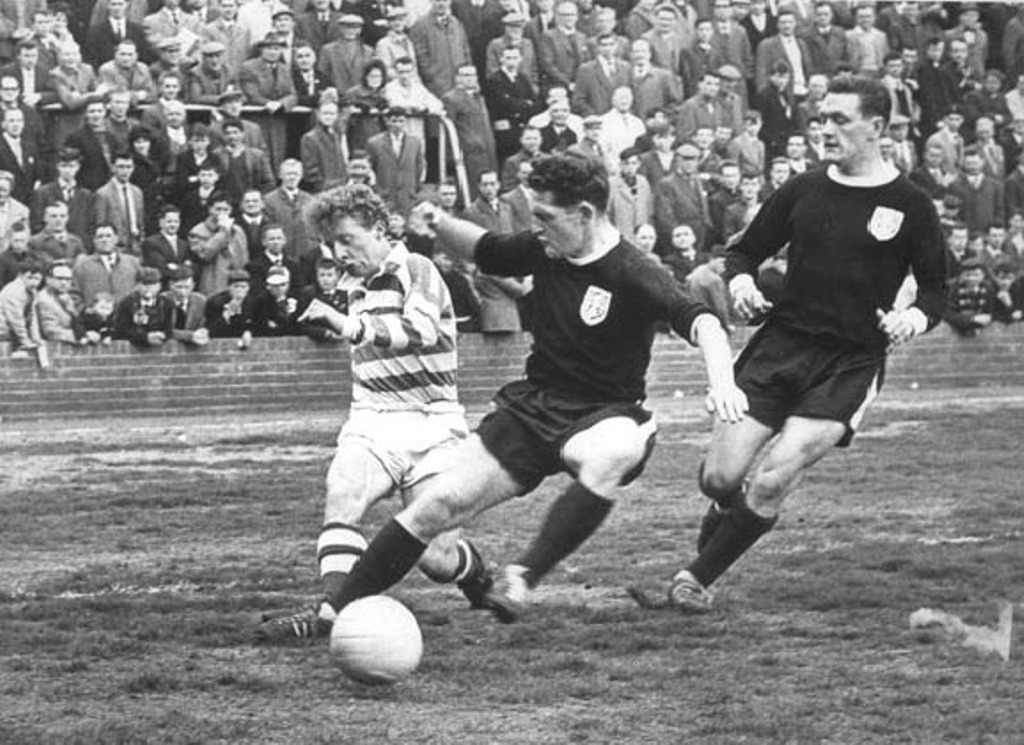
The very sad news was announced yesterday that ex Celtic player, Stuart Gray, had passed away...
- Season 2012-2013
- Season 2011-2012
- Season 2010-2011
- Season 2009-2010
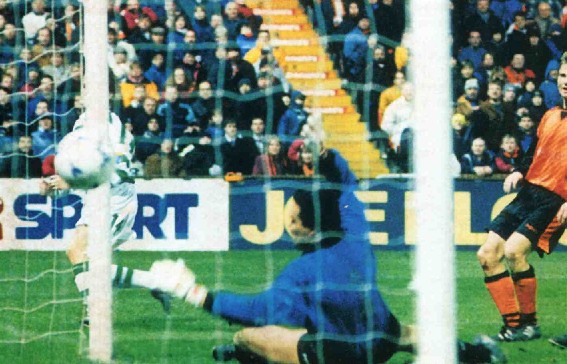
A Tannadice Memory
When I think of the most memorable games during my time supporting Celtic there are a few obvious...
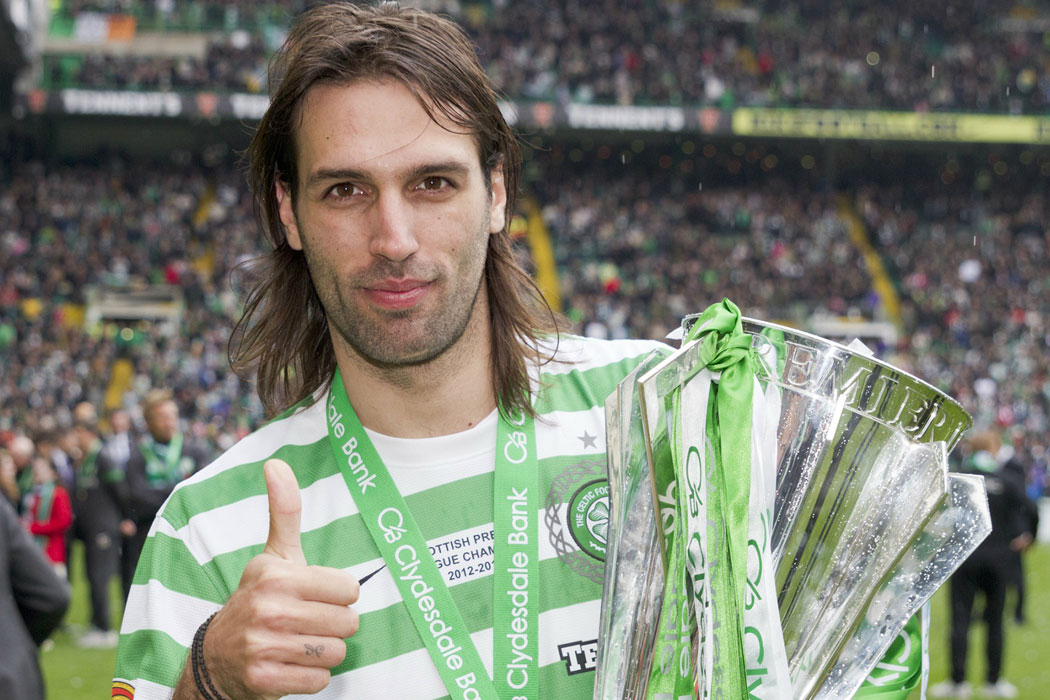
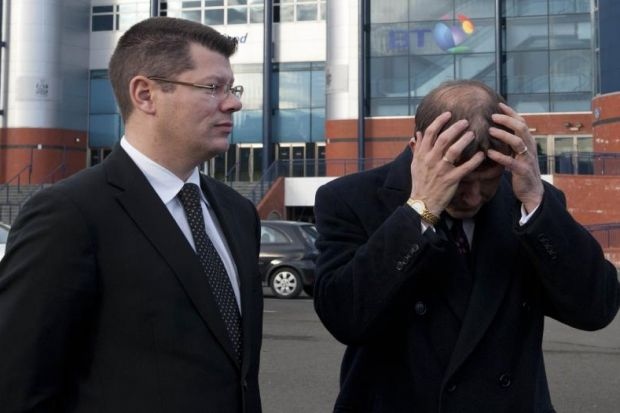
Scottish Football: Bad Moon Rising
The whole debacle is a series of dry technicalities that have to be explored and explained in...
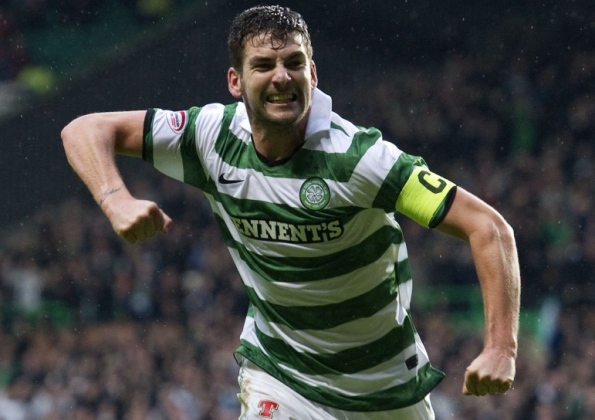

New Season – It’s Just A Little Too Soon
I sometimes wonder whether the people who run sports just don’t understand fans or pro-actively...


Rich Man, Poor Man, Beggar Man, Thief.
Real Madrid is another example of profligate spending not resulting in success on the field. The...

 NEWS NOW
- Taylor wants strong Celtic finish but expects difficult cup challenge 19/04/2024Greg Taylor is hopeful that Celtic can end the season on a high, starting by reaching the Scottish Cup final, but is wary of the "difficult" threat Aberdeen will pose.
- Aberdeen vs Celtic: TV channel, live stream & kick-off time 19/04/2024Aberdeen vs Celtic: TV channel, live stream, team news & kick-off time.
- Ally McCoist 'set up' as Scott Brown in on Celtic vs Rangers stitch-up 19/04/2024Ally McCoist 'set up' as Scott Brown in on Celtic vs Rangers stitch-up.
- Leaving Celtic was not a huge consideration for club legend 18/04/2024'Too old & fragile' - Celtic hero says there was no big decision behind leaving the club.
- Clement should stop claiming victories when Rangers don't win 18/04/2024What should concern Philippe Clement more than claiming wins is the true nature of his Rangers team's results.
- Former Celtic manager set for emotional return next month 18/04/2024Former Celtic manager set for emotional return next month.
- 'No money' - Transfer guru names star duo he tried to sign at Celtic 18/04/2024Former Celtic transfer chief Lee Congerton has named the superstar duo he tried to sign at Parkhead as he sighed 'we had no money'.
- Rangers hero admits title race with Celtic is OVER 18/04/2024Kris Boyd makes deflated Rangers title hopes admission after latest slip-up.