

Payday Loans
Payday loans
   

Login Form

Please register and log in to comment on articles. We won't spam you or sell your email address. Mainly because we're too lazy.


The Bhoy in the Picture: Tommy - One Year On PDF Print E-mail
Written by St Anthony   
Thursday, 14 May 2009 16:49
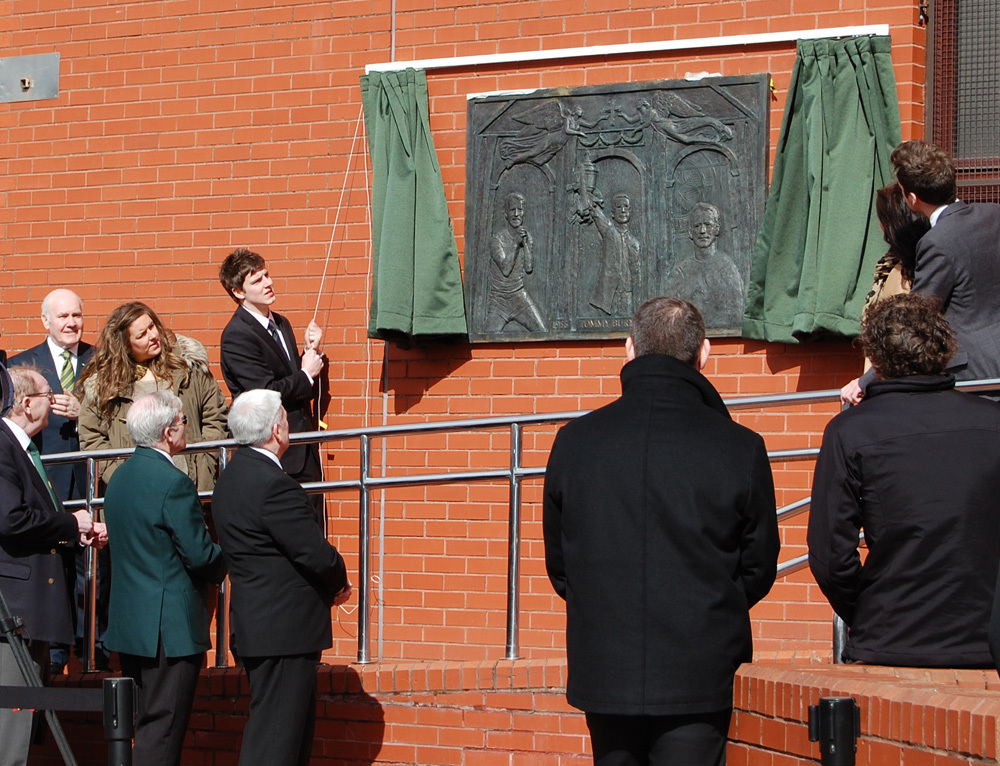
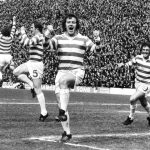
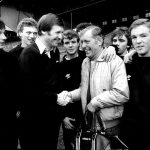
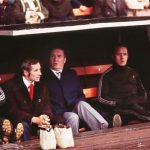
thumb?burnssignpleaseMoore Park, Govan, home of Saint Anthony’s juniors, February 1981.  The actual ground where Willie Maley had once watched St Anthony’s play in 1903 and adopted their green and white hooped jerseys which are now renowned all over the world as the colours of Celtic. A large crowd by junior standards had gathered to watch the game between ‘The Ants’ and Blantyre Celtic due to the fact that Jimmy Johnstone and Paul Wilson were now reinstated as juniors with the Blantyre club. In truth the game was not very exciting but a buzz went around the area behind the goal and there stood an instantly recognisable figure to any Celtic fan. The trademark flame red hair, glasses, long leather overcoat and patent shoes. Green patent shoes. That man was Tommy Burns.

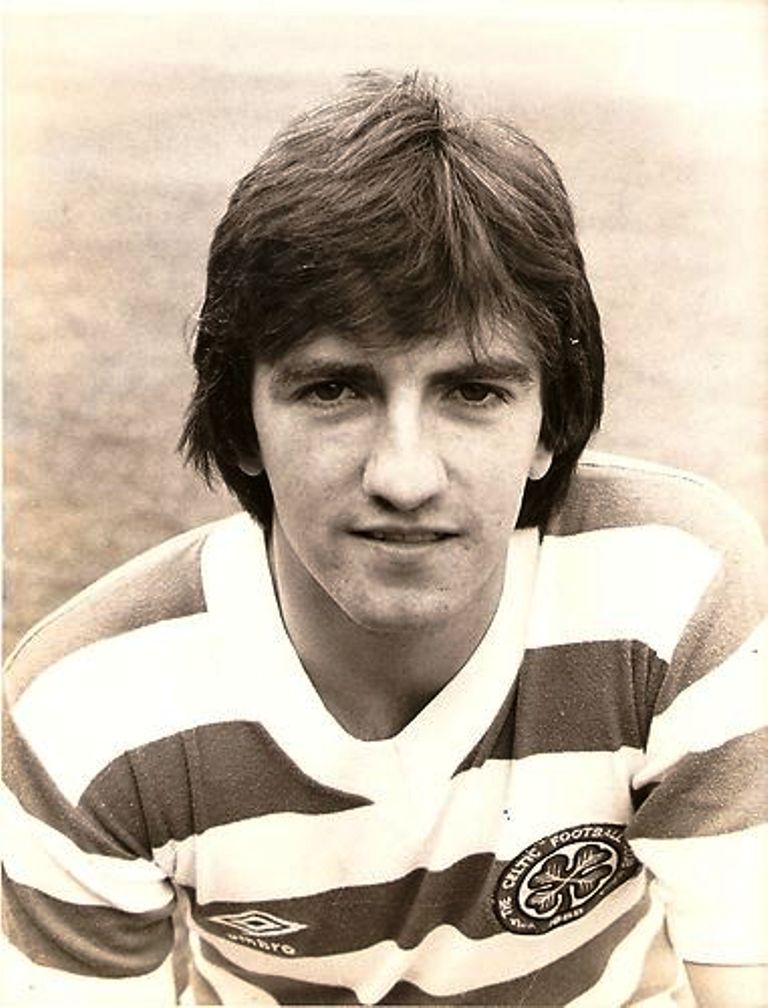
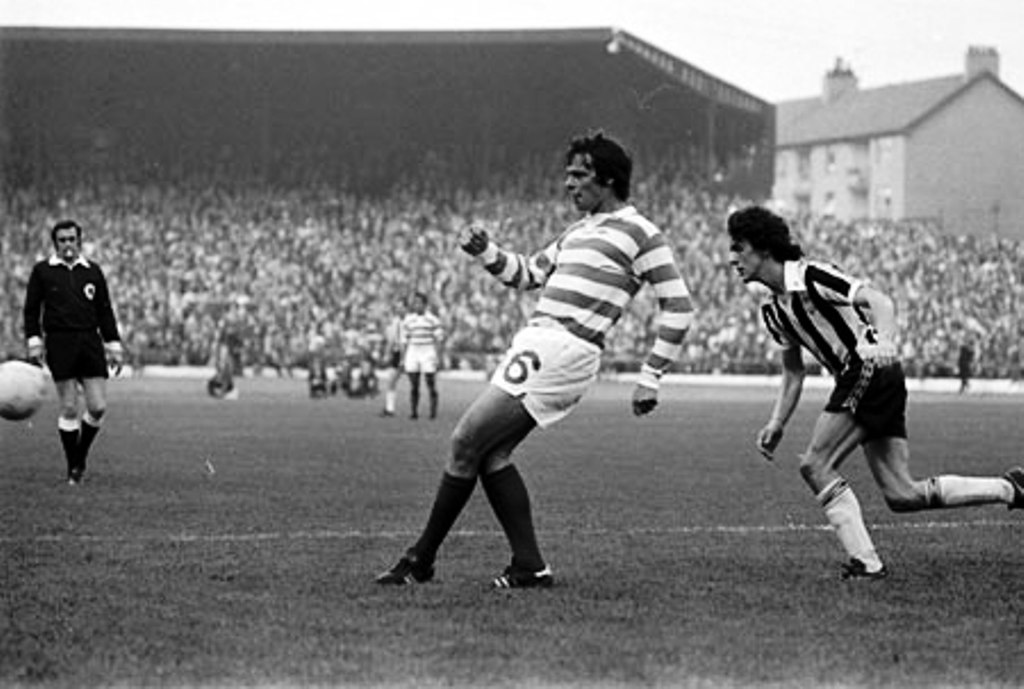
Although Tommy made his first full appearance against Aberdeen in April 1976 his formative years in the Celtic team were not easy. Celtic lost a lot of experienced men around this time and by the time of his 20th birthday Tommy was required to be a mainstay in the first eleven. Always a tremendously popular player with the Celtic supporters he was nevertheless at the crossroads of his career by the spring of 1980 after an ankle injury had kept him out for a long period, and a well documented bust up with Billy McNeill at Seamill, which actually turned out to be constructive as McNeill was at last able to at last get across to Burns that he was not fulfilling his potential for a great number of reasons.


The summer of 1980 was to be the turning point not only in his career but in his life when he married Rosemary in Saint Francis church in the Gorbals, where legend has it that the organist played the Celtic song as the happy couple came down the aisle and the Daily Record showed a photo of hundreds of well wishers around the church, many perilously perched on walls to get a better viewpoint.

In that summer of 1980 freedom of contract was brought into Scottish football for the first time allowing players to move on without seeking the consent of their club. Tommy Burns was out of contract and by the end of July he had still not agreed terms with Celtic. McNeill took a hard line with Burns (and also Roddy McDonald), stating firmly that he would not play them in the first team as he was attempting to build a side and that as they could leave at short notice it would deny him time to find replacements before the new season. Liam Brady had recently left Arsenal for Juventus and there was speculation that they would come in for Tommy as a replacement but this did not materialise and just before the start of the season Burns and McDonald signed new deals. At last Celtic fans were to see the best of Tommy Burns.
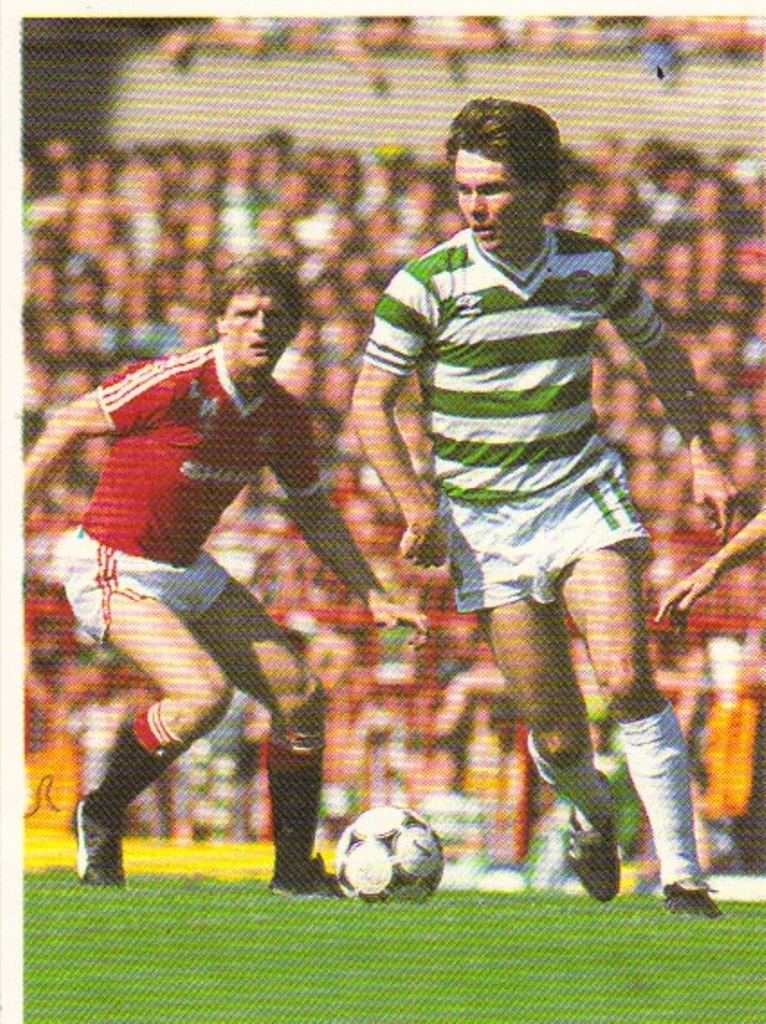
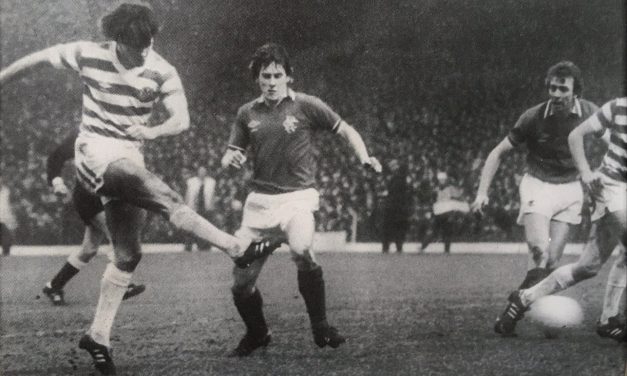
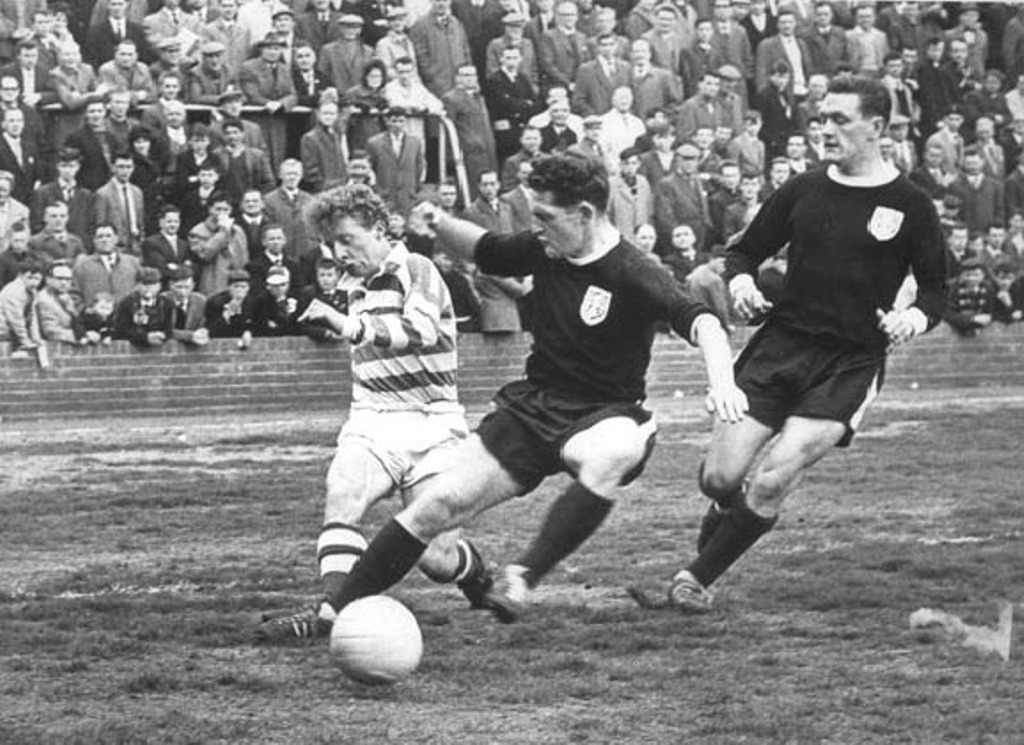
My father worked in Cammell Lairds shipbuilders in Liverpool for several months in the autumn of 1980 and only occasionally managed up for Celtic’s games. Around October, after watching his first match for some time, he was not as impressed with the teenage sensation Charlie Nicholas who had just broken into the team than he was the new mature Tommy Burns who had by now learned when to keep possession and when to release a through ball to become the team’s main playmaker. He added a flair to the Celtic team that had not been seen for some time and he had perfected the ‘Tommy shuffle’, a notable trick whereby he would lift his left leg over the ball and follow through with his right foot leaving a bemused defender in his wake which was quite an innovative move in the early 1980’s.

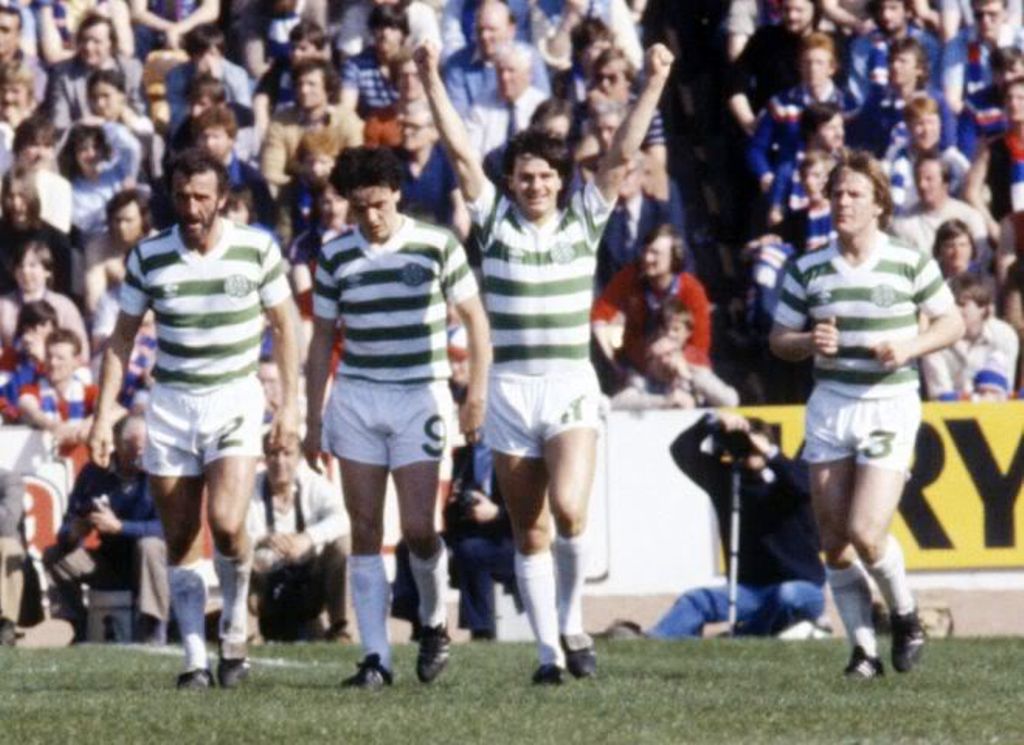
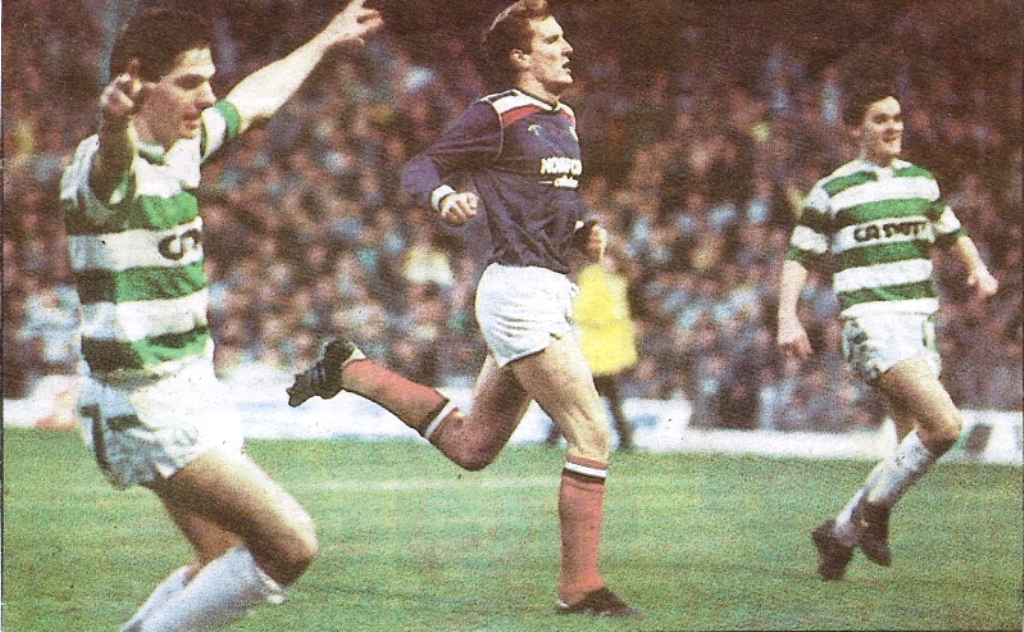
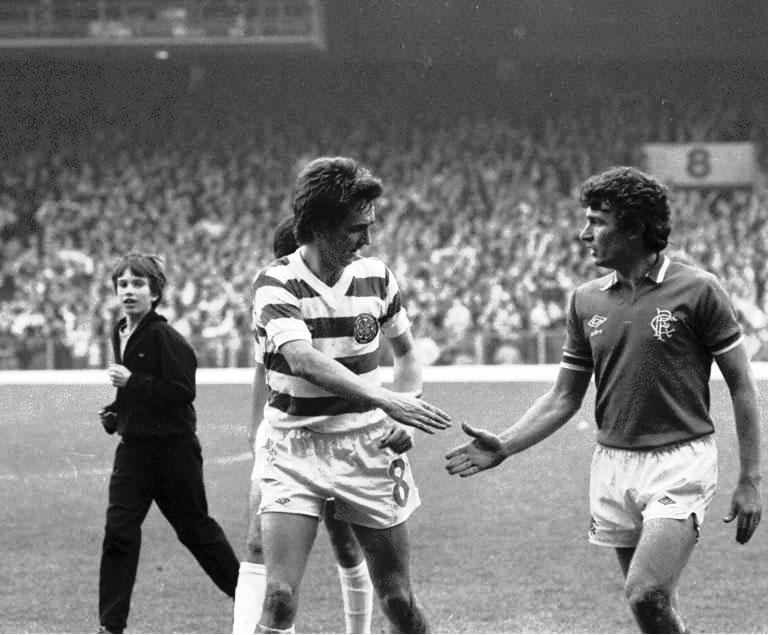
For the next three seasons Tommy maintained a remarkable level of consistency in a Celtic jersey and was instrumental in the title winning sides of 1981 and 1982 and who came desperately close in 1983 when an injury to Burns after New Year could be attributed to the loss of the title. During this period Celtic could boast one of their greatest ever forward lines in Provan, McStay, McGarvey, Burns and Nicholas. In 1983 the side broke up when McNeill acrimoniously moved to Man City, Nicholas and George McCluskey also moved southwards in moves which decimated the team. For the next four years Tommy’s career moved along in fits and starts as Davie Hay stamped his own personality as new Celtic manager. Perhaps lacking McNeill’s motivational skills, Burns also with Provan, McGarvey and MacLeod all found difficulty in producing their best form for Hay’s Celtic on a regular basis. There was even a period in the autumn of 1985 when Hay persisted in playing him in defence at left back in what was gross waste of talent, although it is worth stating that when Burns was reinstated into the midfield in February Celtic went on a long unbeaten run, which culminated in them edging past Hearts by the narrowest of margins in May 1986.

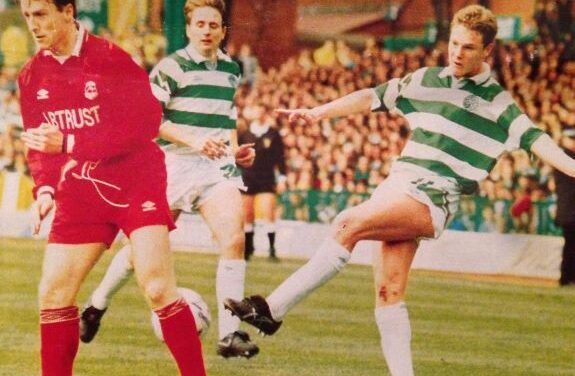
With McNeill back as manager for the centenary season it was noticeable that Tommy had lost some of his pace and although always in the squad he was not always a regular starter. After the success of their centenary Celtic began to fall behind Rangers and McNeill allowed Tommy to move to Kilmarnock in December 1989 although he later admitted that had he known Roy Aitken would depart shortly after then Tommy would not have been allowed to go. In a friendly match against Ajax later that month Tommy Burns played his last game for Celtic. When he was substituted it was appropriate that he ran over to the jungle for one final time and in a fitting gesture threw his boots to the crowd.

In 1994 when Fergus McCann surveyed his new empire and decided on a change of manager there was only one man the Celtic fans would fully trust and that was Tommy. Statistics don’t tell the full story of how close his Celtic side came to breaking Rangers domination at a time when Celtic were fighting a war on two fronts, attempting to balance the need for success on the park with having to build an expensive new stadium in the process. His record in the transfer market was excellent balancing the big names the fans craved (Van Hooydonk, Thom, Cadete, Di Canio, and Stubbs) with bargain buys (McKinlay, McNamara, Hughes, and Weighorst). He had off the park difficulties also and he was required to contend with several tragedies in the shape of the Celtic Boys Club court case, the murder of young Celtic player Lawrence Haggart and the murder of young Celtic fan Mark Scott, all of which no doubt affected him personally. However Fergus was nothing if not ruthless and despite coming desperately close to winning the title on two occasions, Fergus perceived Tommy as unsuccessful and Tommy had to go.

His story did not end there and he returned to Parkhead in a coaching capacity in 2000 working for Dalglish, O’Neill and Strachan in various roles and, especially in more recent times, he was partly responsible in Celtic’s success as part of the club’s management team.

Tommy’s illness was not easy to accept. A man of great humility, his Catholic faith was a great strength for him in difficult times and when the end came there was genuine sorrow from all parts of Scottish society. As Celtic fans we grieve his passing but that pales into insignificance compared to the pain and sorrow suffered by Rosemary and his close family. The visions of grief that the media brought from Gordon Strachan, Billy Stark, George McCluskey and Ally McCoist will stay in the mind forever and Davie Provan’s assessment that Celtic had came a poor third in Tommy’s life behind his faith and his family was absolutely correct.

Tommy Burns was perhaps the last of a generation of young boys who played in back courts and streets all day long and dreamed of playing for their favourite team. In the obituaries written after his passing many of them put the accent on the poverty of the Calton area in which the young Tommy was raised and yet Tommy Burns was enriched by the love of his family and of the community that embraced him, a community which has all but gone given the massive social changes to the area’s infrastructure since the 1960’s. Boys who sign for Celtic today are less likely to come from areas such as Govan, Gorbals and the Calton, rich hunting grounds for potential Celtic players in past generations, and more from other privileged, affluent areas of the City and beyond.

After having read many articles about Tommy Burns recently I think it’s fair to say that no one in Celtic’s history has attended more schools, youth organisations, charities and supporters club functions on behalf of Celtic than Tommy Burns. It’s also said that everyone has a story to tell about Tommy and I’m no different. He attended a charity presentation on behalf of the Knights of St Columba in Renfrew around 1986 and he was mortified to discover that he was to be presented with crystal wine glasses for taking the trouble to come. A few months later my Father and I were outside Celtic park one Saturday morning after the weekly ritual of delivering his Celtic pools payment when the team came out to board the bus to travel to a match and there was Tommy. My Father asked him how he liked his wine glasses and he replied boldly that he would be drinking champagne from them that very night. Heartened by those sentiments we then travelled to Love Street that afternoon and cheered Celtic on to the most dramatic of league title wins in which Tommy Burns played an integral part. It was clear that he believed we would win the title that day despite all the odds being against Celtic.

He may be gone from us now but like the other Celtic greats he will never be forgotten. Tommy Burns gave Celtic supporters so many special memories over the years and yet I will always smile when I recall those green patent shoes back in Govan in 1981.
Last Updated on Thursday, 14 May 2009 16:53
 

You need to register to post comments.

RocketTheme Joomla Templates